
The Complete Guide to Face Paint Safety
Safe Face Painting for Children
Face painting is one of the most popular children's activities at parties, school fairs, community events and family fun days. Most children love transforming into their favourite animal, superhero, princess or fantasy character.
However, parents often have questions about safety.
Is face painting safe for children? What happens if a child has sensitive skin? Are all face paints suitable for use on the face? How do professional face painters keep equipment clean?
The good news is that professional face painting is extremely safe when carried out using appropriate products and proper hygiene procedures.
This guide explains everything parents and event organisers need to know about face paint safety.
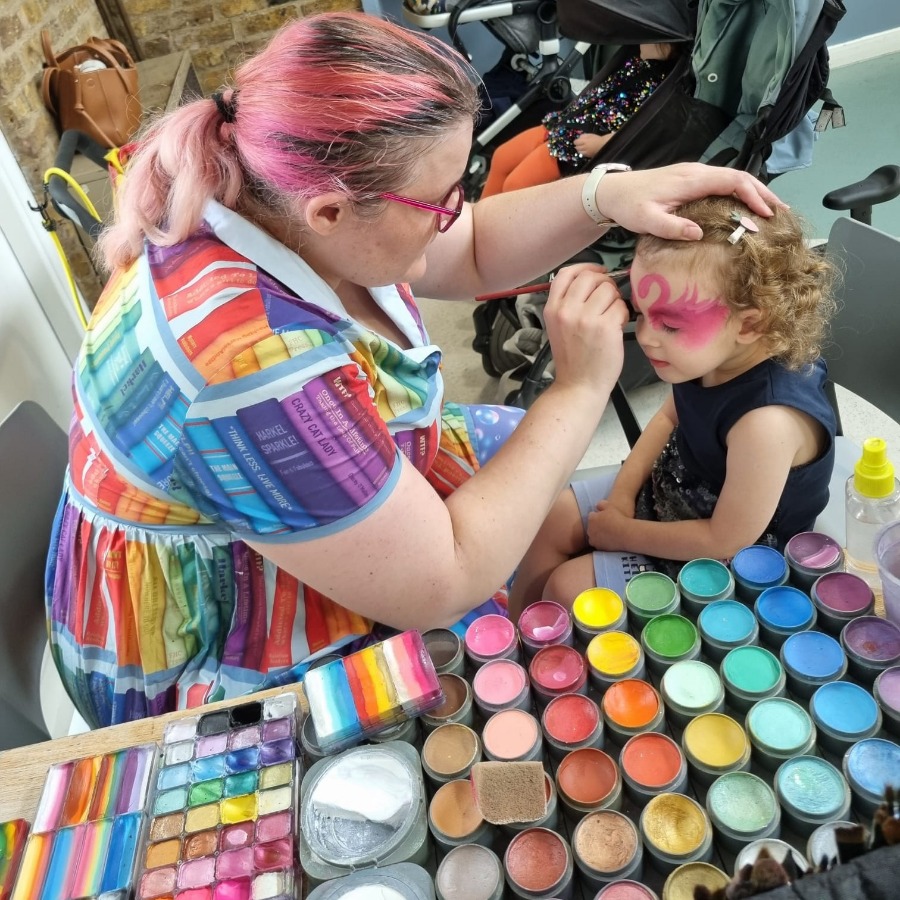
Is Face Painting Safe?
When professional face paints are used correctly, face painting is generally very safe for most children.
Professional face paints are specifically designed for use on skin and are formulated differently from products intended for crafts or general artwork.
The most important factor is ensuring that only cosmetic-grade face paints are used.
Professional face painters invest in products that have been developed specifically for use on faces and bodies.
Never Use Craft Paints on Skin
One of the most important face paint safety rules is surprisingly simple:
Face paints and craft paints are not the same thing.
Products such as:
- - Acrylic paint
- - Poster paint
- - Emulsion paint
- - Marker pens
- - Permanent markers
should never be used on the skin.
These products are not designed for cosmetic use and may cause irritation, staining or other unwanted reactions.
Professional face painters use specialist cosmetic products created specifically for face and body art.
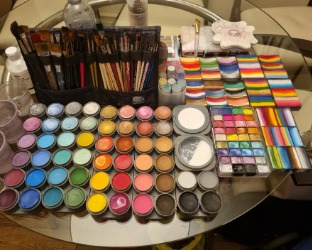
What Are Professional Face Paints Made For?
Professional face paints are designed to be:
- - Skin-safe
- - Easy to remove
- - Comfortable to wear
- - Suitable for children
- - Highly pigmented
- - Flexible on the skin
Unlike many craft products, professional face paints are formulated with cosmetic use in mind.
This is one reason why hiring an experienced face painter is often safer than attempting DIY alternatives using unsuitable materials.
Minimum Age For Face Painting
Professional face painters usually have a minimum age at which they will paint a child.
This is because:
- Younger children have more sensitive skin
- Products come with manufacturer age recommendations
- Professional insurance requires face painters to follow those guidelines
Little ones are also more likely to rub their face or touch the paint, which can lead to irritation.
Most face painting products have the age that they are suitable for on the packaging, most often this is 2 years but some may say 3. Please be honest with your face painter about your child's age as they have the safety of your child in mind!
What About Sensitive Skin?
Many parents worry about face painting if their child has sensitive skin.
Most children experience no problems, but every child is different.
Children with:
- - Sensitive skin
- - Eczema-prone skin
- - Allergies
- - Previous reactions to cosmetics
may require additional consideration.
Parents know their child's skin best and should always inform the face painter about any concerns before painting begins.
Can Face Paint Cause Allergic Reactions?
Although uncommon, allergic reactions can occasionally occur with almost any cosmetic product.
Potential symptoms may include:
- - Redness
- - Itching
- - Irritation
- - Swelling
A reaction does not necessarily mean the face paint is unsafe. It may simply indicate that an individual has a sensitivity to one or more ingredients.
Because every person is different, no cosmetic product can be guaranteed to be suitable for absolutely everyone.
Should Children Have a Patch Test?
Patch testing is often discussed in relation to cosmetics.
For one-off event face painting, patch testing is not always practical because many children receive face painting on the day of the event.
Parents who have concerns about allergies or sensitivities should discuss these concerns with the face painter before painting begins.
If there is any doubt, it may be better to avoid face painting altogether.
Face Painting and Eczema
Children with eczema often ask whether they can have their faces painted.
There is no universal answer because eczema affects every child differently.
As a general rule:
- - Broken or inflamed skin should not be painted.
- - Active eczema patches should be avoided.
- - Parents should decide whether face painting is appropriate for their child.
A professional face painter may decline to paint areas where the skin appears irritated or damaged.
How Professional Face Painters Maintain Hygiene
Good hygiene is a vital part of professional face painting.
Professional face painters typically follow procedures such as:
- - Using clean water
- - Regularly washing brushes
- - Cleaning equipment throughout the event
- - Using separate sponges for each child
- - Maintaining a clean working area
These procedures help minimise the risk of contamination and ensure a pleasant experience for everyone.
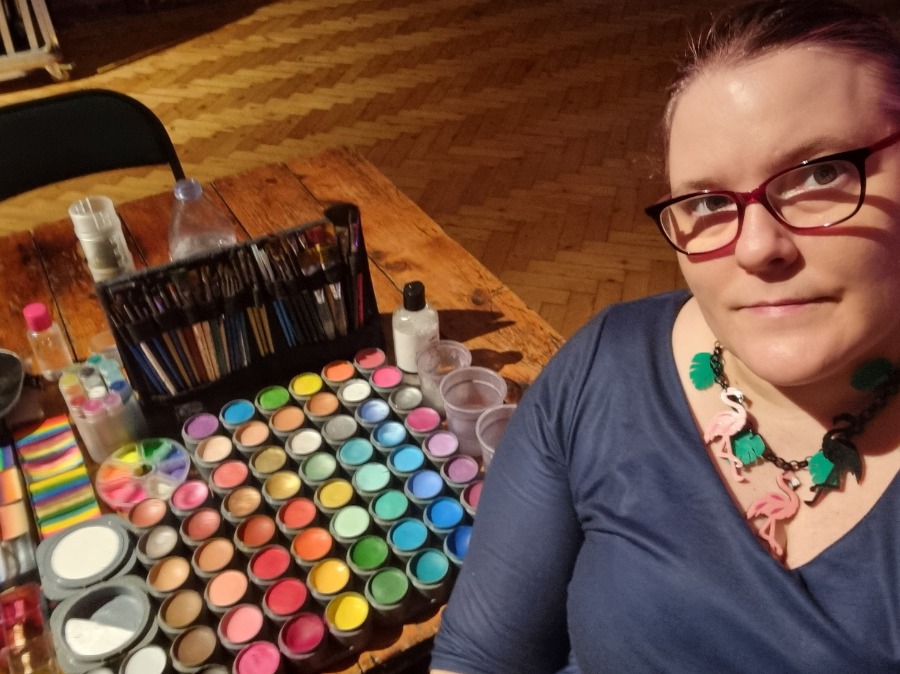
Why Professional Equipment Matters
Professional face painters invest in equipment specifically designed for face and body art.
This includes:
- - Professional brushes
- - Cosmetic-grade paints
- - Hygiene supplies
- - Cleaning products
- - Appropriate storage systems
Using professional equipment helps maintain consistent quality and safety standards.
Can Face Painting Spread Illness?
This is another common concern among parents.
Professional face painters take hygiene seriously and use procedures designed to reduce risks.
As with any activity involving close contact, good hygiene practices are essential.
Responsible face painters will avoid painting children who appear unwell or have visible contagious skin conditions.
When Should Face Painting Be Avoided?
Face painting should generally be avoided if a child has:
- - Open cuts
- - Broken skin
- - Active skin infections
- - Conjunctivitis
- - Contagious rashes
- - Severe irritation around the face
In these situations, health and comfort should always take priority.
How to Remove Face Paint Safely
Most professional face paints are designed to be removed easily.
In most cases:
- 1. Use warm water.
- 2. Apply a mild soap or cleanser.
- 3. Gently wash the painted area.
- 4. Avoid excessive scrubbing.
Children with sensitive skin may benefit from a gentle moisturiser afterwards.
It is not recommended to use baby wipes to clean off face paint as these can contain chemicals that should not be allowed to come into contact with the eyes or mouth; or can cause irritation when mixed with face paint. Wipes that are specifically for removing makeup can be used.
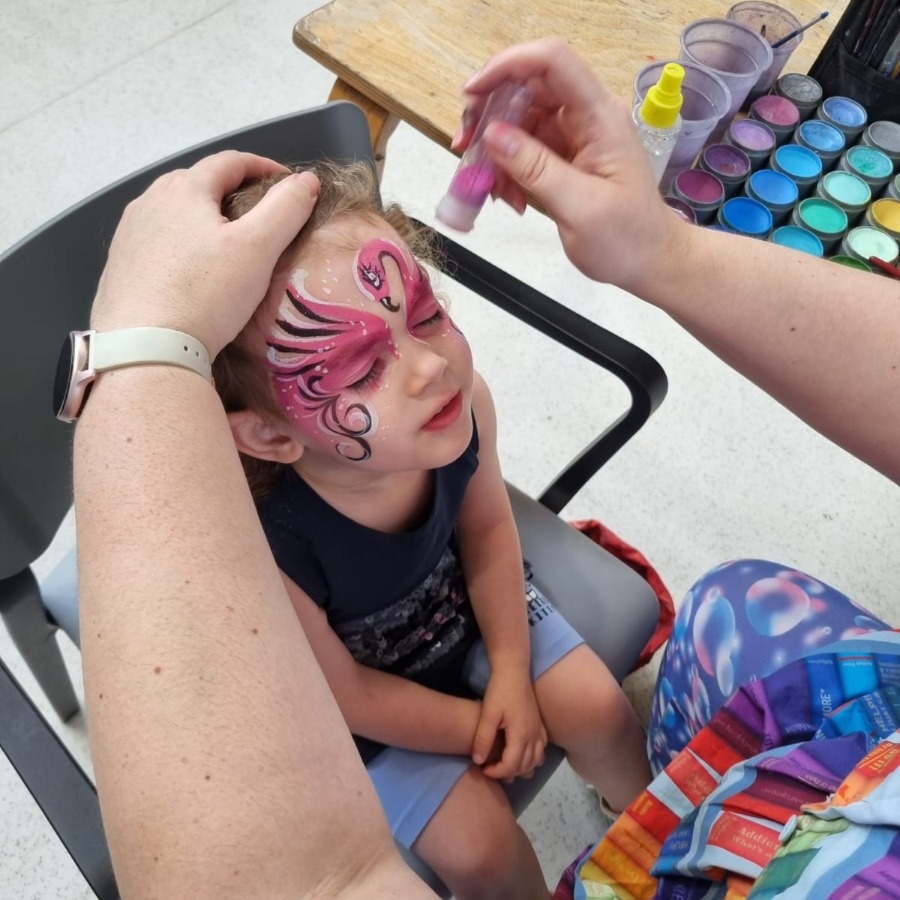
Face Painting Safety at Schools and Events
Schools, councils, shopping centres and event organisers often ask about face painting safety before booking.
Professional face painters typically carry:
- - Public liability insurance
- - Risk assessments where required
- - Professional equipment
- - Appropriate hygiene supplies
These measures help ensure face painting can be provided safely at public events.
Questions Parents Can Ask Before Booking
If you're considering face painting for a party or event, you may wish to ask:
- - Do you use professional face paints?
- - Do you have public liability insurance?
- - How do you clean your equipment?
- - Do you have experience working with children?
- - Can you provide risk assessments if required?
Professional entertainers should be happy to answer these questions.
Face Painting Safety: The Bottom Line
Professional face painting is a safe and enjoyable activity for most children when appropriate products and hygiene procedures are used.
The key factors are:
- - Using cosmetic-grade face paints
- - Maintaining good hygiene
- - Respecting skin sensitivities
- - Avoiding broken or irritated skin
- - Working with experienced professionals
For most children, face painting provides a fun and memorable experience that allows them to express their creativity and imagination.
Whether it's a birthday party, school fair, shopping centre promotion or community event, choosing a professional face painter helps ensure the experience is both enjoyable and safe.

Find out more about my face painting service here:
Face Painting London | Children's Party Entertainment - Kat's Krafts
FAQ
Is face painting safe for toddlers?
Most professional face painters are happy to paint younger children, provided they are comfortable and able to sit still. Parents should always discuss any skin concerns beforehand. If your child is under 3 and has never been painted before, it may be better to have a design painted on the hand or arm as their first face paint, this way if they can see what is happening, it is not scary, and if they do have a reaction it is easier to remove.
Can face paint cause allergic reactions?
Although uncommon, reactions can occur with any cosmetic product. Parents should inform the face painter of any known allergies or sensitivities.
Is face paint safe for children with eczema?
Children with eczema may still be able to have face painting, but inflamed, broken or irritated skin should not be painted.
How do you remove face paint?
Most professional face paints can be removed using warm water and mild soap.
Are face paints different from craft paints?
Yes. Professional face paints are cosmetic products specifically designed for use on skin and should never be replaced with acrylic or craft paints.
Other useful Blog pages:
- How Many Children Can One Face Painter Paint in an Hour - Kat's Krafts Blog
- Family Fun Day Entertainment Ideas That Actually Keep Queues Moving - Kat's Krafts Blog
- Shopping Centre Event Ideas for School Holidays | Family Entertainment - Kat's Krafts Blog
- Halloween Face Painting Ideas for Events - Kat's Krafts Blog
- Halloween Activities for Shopping Centres - Kat's Krafts Blog
- Face Painting for Large Events - Kat's Krafts Blog
- School Events - Kat's Krafts Blog